
Let me start by saying, alcohol is not off the table if you have blood sugar dysregulation or diabetes (Phew)!
Having diabetes means you have to be aware of everything you eat or drink. Alcohol consumption is something that should be closely monitored, and approached with caution, as can interact with diabetes medications. However, that doesn’t mean it’s completely off the table but we need to be smart about it. In this blog, we will explore the best options for alcohol consumption for type 2 diabetics. We will discuss factors such as carbohydrate content, glycaemic index, and any potential health benefits.
Understanding Alcohol and Type 2 Diabetes:
Alcohol can affect your blood sugar levels in various ways, depending on factors such as the type and quantity of alcohol consumed, someone’s individual tolerance, and presence of food in the stomach. Generally, alcohol consumption can lead to both acute and delayed effects on blood sugar levels, including hypoglycaemia (low blood sugar) if consumed on an empty stomach, or hyperglycaemia (high blood sugar) if consumed with high-carbohydrate foods.
For people with type 2 diabetes, it’s essential to consider the potential impact of alcohol on glycaemic control and overall health. While alcohol consumption may have certain cardiovascular benefits, excessive or binge drinking can increase the risk of hypoglycemia, weight gain, liver disease, and other complications.
Best Alcohol Choices for Type 2 Diabetes:
When it comes to alcohol consumption, moderation is key for individuals with type 2 diabetes. Choosing beverages with a lower carbohydrate content, lower glycaemic index, and fewer added sugars can help minimize the impact on blood sugar levels. Here are some of the best alcohol choices for individuals with type 2 diabetes:
Dry Wines:
Dry wines, such as red, white, or rosé varieties, contain minimal residual sugar and carbohydrates, making them suitable options for individuals with type 2 diabetes. Dry wines typically have lower glycaemic index values compared to sweeter wines, which means they have a smaller impact on blood sugar levels.
Light Beers (usually a pale lager):
Light beers are lower in alcohol content and carbohydrates compared to regular beers, making them a better choice for individuals with type 2 diabetes. Light beers typically have fewer calories and carbohydrates per serving, which can help minimize the impact on blood sugar levels when consumed in moderation.
Spirits:
Distilled spirits such as vodka, gin, whiskey, and rum are generally low in carbohydrates and can be consumed with zero-carb mixers such as soda water or diet tonic water. However, it’s important to avoid sugary mixers and cocktails that can significantly increase the carbohydrate and calorie content of the beverage.
Dry Vermouth:
Dry vermouth is a fortified wine that is often used as a component in cocktails or enjoyed on its own. It contains minimal sugar and carbohydrates, making it a suitable option for individuals with type 2 diabetes when consumed in moderation.
Champagne or Sparkling Wine:
Champagne or sparkling wine can be lower in sugar and carbohydrates compared to other wine varieties, especially when labeled as “brut” or “extra brut.” Opting for dry sparkling wines can help minimize the impact on blood sugar levels while still being able to enjoy a celebratory drink.
Moderation and Monitoring:
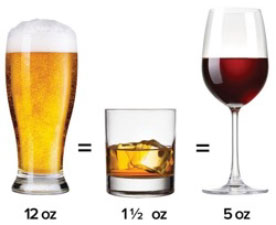
While certain alcoholic beverages may be suitable choices for individuals with type 2 diabetes, it’s essential to consume alcohol in moderation and monitor blood sugar levels closely. The American Diabetes Association recommends limiting alcohol intake to one drink per day for women and up to two drinks per day for men, with one drink defined as:
- 12 ounces of beer
- 5 ounces of wine
- 1.5 ounces of distilled spirits
Individuals with type 2 diabetes should also be aware of the potential interactions between alcohol and diabetes medications, as alcohol can affect medication efficacy and increase the risk of hypoglycaemia. It’s important to consult with a healthcare provider or registered dietitian before incorporating alcohol into a diabetes management plan.
Finally, I would say that indulging in a bit of the bubbly or a sip of spirits can still be on the table for people with type 2 diabetes, but it’s all about playing it smart and keeping those blood sugar levels in check. Go for drinks that are lower carbohydrate content, lower glycaemic index, and fewer added sugars but are high on the enjoyment scale.
So, whether it’s a light beer, a crisp glass of wine, or a cheeky cocktail, moderation is key. Just remember to keep an eye on those glucose levels and say cheers to good health and happy sipping!
My top 3 tips for everyone before you consume your choice of poison:
- Have a small meal before you consume alcohol like a salad with protein and healthy fats
- Keep yourself hydrated throughout (I would say 1:2 ratio- one drink: 2 glasses of water)
- Pace yourself, go slow. I sue the rule of thumb of no more than1 drink per hour
References:
American Diabetes Association. (2022). Alcohol. Retrieved from https://www.diabetes.org/nutrition/healthy-food-choices-made-easy/alcohol
Evert, A. B., Dennison, M., Gardner, C. D., Garvey, W. T., Lau, K. H. K., MacLeod, J., … & Yancy, W. S. (2019). Nutrition therapy for adults with diabetes or prediabetes: a consensus report. Diabetes Care, 42(5), 731-754.
https://www.niaaa.nih.gov/publications/brochures-and-fact-sheets/moderate-binge-drinking